Welding is the art of joining metals, the backbone of industrial progress, and a skill as ancient as it is modern. Whether you're a DIY enthusiast, a budding professional, or simply curious about this essential craft, understanding welding basics is your first step into a world where metal meets mettle.
In this blog, we'll demystify the fundamentals of welding, from its various processes to the equipment and safety practices that are as crucial as the skill itself. Join us as we explore the sparks that have welded together structures, vehicles, and even the very fabric of our modern world.
Whether you're looking to start your welding journey or just aiming to understand what lies beneath the surface of this fascinating craft, you're in the right place. Let's ignite our torches and delve into the basics of welding.
Table of Contents
Types Of Welding Processes
Welding, a craft blending art and science, is essential in various industries, from construction to manufacturing. It involves joining metal pieces using heat, pressure, or both. This blog explores the primary welding processes with unique applications and requirements.
Stick Welding (Smaw):
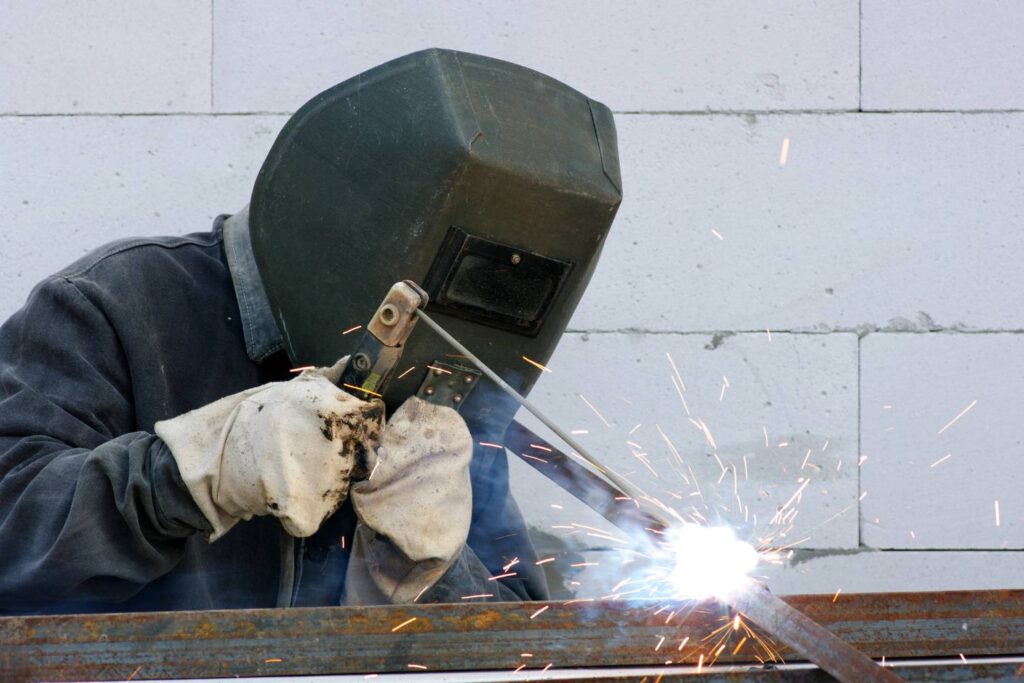
Shielded Metal Arc Welding, or Stick Welding, is a traditional and widely used method. It's cost-effective and versatile, suitable for various environments, including outdoor conditions. Stick welding is ideal for repairing equipment, construction, and heavy fabrication despite its need for post-weld cleanup due to slag formation.
Mig Welding (Gmaw):
Gas Metal Arc Welding, known as MIG Welding, is favoured for its simplicity and efficiency. It uses a wire electrode and shielding gas to protect the weld pool from contamination. MIG is excellent for beginners, offering high-speed welding and minimal cleanup. It's commonly used in automotive repairs, construction, and DIY projects but is only effective outdoors with protection from wind and rain.
Tig Welding (Gtaw):
Gas Tungsten Arc Welding, or TIG Welding, requires more skill but offers precision and high-quality welds. It uses a non-consumable tungsten electrode and an external gas supply, making it suitable for welding thin sections of stainless steel, aluminium, and other metals. TIG is popular in industries requiring high-quality finishes, such as aerospace and bicycle manufacturing.
Flux-Cored Arc Welding (Fcaw):
Like MIG, Flux-Cored Arc Welding uses a continuously fed wire electrode with a flux core that provides its shielding gas. This makes FCAW adaptable for outdoor use and efficient for welding thick materials. It's commonly employed in construction and heavy fabrication, though it may require cleanup from slag.
Plasma Arc Welding (Paw):
Plasma Arc Welding offers precision with a concentrated plasma arc, making it ideal for aerospace applications and welding thin metals. It's similar to TIG but uses a different gas setup, providing a more focused heat source.
Gas Welding:
Although less common today, Gas Welding uses a flame from burning fuel gases (like acetylene) with oxygen to melt metals. It's portable and versatile, suitable for repair work and joining thin metals.
Electron Beam And Laser Welding:
These high-energy processes offer precision and control for welding small or delicate parts. They're used in industries requiring meticulous detail, such as medical device manufacturing and aerospace.
Submerged Arc Welding (Saw):
SAW is a process where the weld and arc zone are submerged under a flux blanket, providing a clean, high-quality weld. It's used for large industrial applications, offering deep penetration and minimal UV exposure.
Essential Welding Equipment
Welding, a craft that melds science and art, demands skill and a comprehensive toolkit. Every piece of equipment plays a pivotal role, from the protective gear that shields the welder from the intense conditions of their trade to the tools and machines that make precise metal fusion possible. Drawing from a wealth of authoritative sources, this guide outlines the indispensable equipment every welder needs to navigate the complexities of their craft safely and effectively.
Protective Gear:
- Welding Helmets: Auto-darkening helmets protect the eyes, face, and neck from flash burns, sparks, and harmful rays. They adjust the shade for clear visibility while safeguarding against intense light.
- Welding Jackets: Made from fire-resistant materials, these jackets shield the welder from high heat and metal splatter, covering vulnerable areas like the neck and upper arms.
- Welding Gloves: Essential for hand protection, welding gloves come in various materials, including TIG gloves for precision and MIG & Stick gloves for general protection.
- Safety Glasses and Ear Protection: These protect the welder's eyes from heat, optical radiation, and ears from the loud noises of welding operations.
- Steel Toe Work Shoes: Protect toes from heavy falling objects and provide stability on the workshop floor.
Welding Tools And Machines:
- Welding Machine: The cornerstone of welding operations, available in different types for various welding methods such as MIG, TIG, and Stick welding.
- Angle Grinder: A versatile tool for polishing metal, removing slag, and preparing surfaces before and after welding.
- Welding Table or Cart: Provides a stable surface for welding operations, with portable options available for on-site work.
- Vice Grips & Welding Pliers: Handling hot metal and performing tasks like wire cutting and removing weld splatter.
- Welding Clamps: Secure metal pieces during welding to prevent warping and ensure precision.
- Chipping Hammer and Steel Wire Brush: Remove slag and clean the weld area to improve the finish.
- Hand File / Metal File: Smoothens rough edges and prepares surfaces for finishing.
Accessories And Safety Equipment:
- Welding Magnets: Hold metals securely, allowing for precise angles and positioning.
- Squaring Tools: Ensure accurate angles, particularly useful for projects requiring a 90° angle.
- Welding Wire: The consumable used in MIG and flux-cored welding is chosen based on the metal being welded.
- Grinding Visor: Protects the face and eyes from flying debris when grinding metal as part of the welding process.
- Fire Extinguisher: A critical safety tool for quickly addressing any fires that may arise during welding operations.
Basic Welding Techniques
Welding, an essential skill in the fabrication and construction industries, involves various techniques and processes to join metal parts effectively. This comprehensive overview, derived from authoritative sources, outlines the fundamental welding techniques, offering insights into their applications, advantages, and considerations.
Stick Welding (Smaw):
Shielded Metal Arc Welding (SMAW), or Stick Welding, is a versatile and widely used technique suitable for various environments, including outdoor conditions. It involves an electric arc formed between a stick electrode and the metals to be joined, making it ideal for construction, repair, and heavy fabrication. Despite its simplicity, proficiency in SMAW requires understanding its nuances, such as managing heat input to prevent common issues like distortion and porosity.
Mig Welding (Gmaw):
Gas Metal Arc Welding (GMAW), commonly known as MIG Welding, is celebrated for its ease of use and efficiency. It employs a wire electrode and shielding gas to protect the weld pool from contamination. MIG Welding is particularly user-friendly for beginners, offering high-speed welding with minimal cleanup. It's predominantly used in automotive repairs, construction, and DIY projects, although it's only suitable for outdoor use with wind protection.
Tig Welding (Gtaw):
Gas Tungsten Arc Welding (GTAW), or TIG Welding, demands more skill but delivers high-quality, precise welds. It uses a non-consumable tungsten electrode and an external gas supply, typically argon, to shield the weld metal from atmospheric contamination. TIG is preferred for welding thin sections of stainless steel, aluminium, and other non-ferrous metals, finding applications in industries that require fine finishes, such as aerospace and bicycle manufacturing.
Flux-Cored Arc Welding (Fcaw):
FCAW is a variation of MIG welding that uses a special tubular wire filled with flux. It can be employed with or without shielding gas, making it versatile for outdoor applications and capable of welding thick materials. FCAW is known for its deep penetration and ease of use, making it a go-to for construction and heavy fabrication, though it may require cleanup due to slag formation.
Welding Positions:
Understanding the four basic welding positions—flat, horizontal, vertical, and overhead—is crucial for selecting the appropriate technique and achieving optimal results. Each position has its challenges and may require adjustments in technique and parameters to manage the effects of gravity on the weld puddle.
Welding Safety:
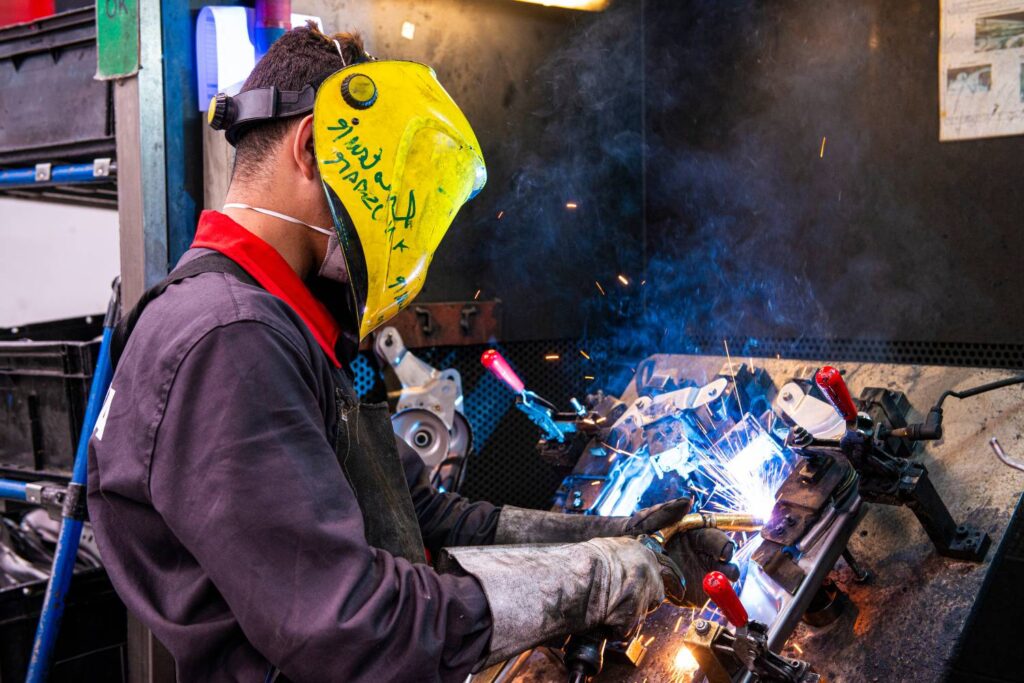
Safety is paramount in welding. Proper protective gear, including helmets, gloves, and jackets, is essential to protect against heat, sparks, and UV radiation hazards. Additionally, understanding the properties of the welded materials and adhering to safe practices minimizes risks and ensures a healthy working environment.
Learning And Certification
Welding, a skill that melds science with craftsmanship, is pivotal across numerous industries, from construction to advanced manufacturing. The journey to becoming a proficient welder encompasses both comprehensive learning and achieving recognized certifications. This synthesis of various sources provides a roadmap for those aspiring to master welding, highlighting the pathways to certification and the importance of continuous education in this evolving field.
Benefits Of Certification:
- Job Opportunities: Certifications qualify welders for a broader spectrum of jobs across different sectors, making them more competitive in the job market.
- Skill Verification: Earning a certification is a testament to a welder's expertise and commitment to their craft.
- Versatility: Certifications demonstrate proficiency in various welding techniques, making certified welders valuable assets to employers.
- Quality Assurance: The rigorous standards of certification exams ensure that certified welders produce work of high quality and aesthetic value.
Types Of Certifications:
- Certified Welder (CW): This certification, which requires no prerequisites, assesses welding skills in specific procedures used across different industries.
- Certified Welding Inspector (CWI): Regarded as a mark of leadership, the CWI certification offers welders a path to managerial roles and job security.
- Certified Welding Educator (CWE): The CWE certification validates their ability to deliver comprehensive welding instruction for those interested in teaching.
- Specialized Process Certifications: Welders can also pursue certifications in specific welding processes, such as laser welding, plasma welding, and resistance welding, among others.
Learning Pathways:
Becoming a certified welder often begins with foundational courses covering welding fundamentals, safety protocols, and hands-on practice. Many institutions offer diploma programs and associate degrees in welding technology, providing a structured learning environment. Additionally, online platforms and vocational schools offer courses tailored to specific welding processes, allowing specialized skill development.
Conclusion
Welding is the art of joining metals, a skill that has been the backbone of industrial progress. It involves joining metal pieces using heat, pressure, or both. There are various welding processes, each with unique applications and requirements. Stick welding (SMAW) is a traditional method suitable for various environments, including outdoor conditions.
MIG Welding (GMAW) is favoured for its simplicity and efficiency, using a wire electrode and shielding gas to protect the weld pool from contamination. TIG Welding (GTAW) is widespread in industries requiring high-quality finishes, such as aerospace and bicycle manufacturing. Flux-Cored Arc Welding (FCAW) is similar to MIG but uses a continuously fed wire electrode with a flux core that provides its shielding gas.
Plasma Arc Welding (PAW) offers precision with a concentrated plasma arc, making it ideal for aerospace applications and welding thin metals. Gas Welding uses a flame from burning fuel gases with oxygen to melt metals, offering precision and control for welding small or delicate parts.
Essential welding equipment includes welding helmets, welding jackets, welding gloves, safety glasses and ear protection, steel toe work shoes, welding tools and machines, and accessories and safety equipment. These tools help protect the welder from the intense conditions of their trade and ensure precise metal fusion.
Safety equipment includes welding magnets, squaring tools, welding wire, grinding visors, and fire extinguishers. Understanding welding basics is essential for anyone looking to start their welding journey or explore the sparks that have welded together structures, vehicles, and even the fabric of our modern world.
Welding is a crucial skill in the fabrication and construction industries, involving various techniques and processes to join metal parts effectively. Essential techniques include Stick Welding (SMAW), Gas Metal Arc Welding (GMAW), TIG Welding (GTAW), and Flux-Cored Arc Welding (FCAW).
SMAW is versatile and suitable for various environments, while GMAW is user-friendly and efficient. TIG Welding is preferred for welding thin sections of stainless steel, aluminium, and other non-ferrous metals and is suitable for industries requiring fine finishes.
FCAW is versatile for outdoor applications and capable of welding thick materials. Understanding the four basic welding positions is essential for selecting the appropriate technique and achieving optimal results. Safety is paramount in welding, and proper protective gear is essential.
Certifications provide job opportunities, skill verification, versatility, and quality assurance. There are various types of certifications, such as Certified Welder (CW), Certified Welding Inspector (CWI), Certified Welding Educator (CWE), and Specialized Process Certifications. Becoming a certified welder often begins with foundational courses covering welding fundamentals, safety protocols, and hands-on practice.
Content Summary
- Welding is the art of joining metals, crucial for industrial progress and innovation.
- It's a skill that combines ancient techniques with modern technology.
- Understanding welding basics is essential for anyone interested in metalwork.
- This blog aims to explore the fundamentals of welding, including processes and safety.
- Welding is vital in industries like construction and manufacturing.
- It involves using heat, pressure, or both to join metal pieces.
- Stick welding (SMAW) is a traditional and versatile method suitable for various environments.
- MIG Welding (GMAW) is famous for its simplicity and efficiency, which makes it ideal for beginners.
- TIG Welding (GTAW) requires more skill but offers precision and high-quality welds.
- Flux-Cored Arc Welding (FCAW) is adaptable for outdoor use and efficient for welding thick materials.
- Plasma Arc Welding (PAW) provides precision, which is ideal for aerospace applications.
- Gas Welding, though less common today, is portable and versatile.
- Electron Beam and Laser Welding offer precision for welding small or delicate parts.
- Submerged Arc Welding (SAW) produces clean, high-quality welds for large industrial applications.
- Welders need a comprehensive toolkit for safe and effective welding.
- Auto-darkening helmets protect against flash burns, sparks, and harmful rays.
- Welding jackets shield from high heat and metal splatter.
- Welding gloves are essential for hand protection.
- Safety glasses and ear protection safeguard against heat and noise.
- Steel-toe work shoes protect feet from heavy objects.
- A welding machine is the cornerstone of welding operations.
- Angle grinders polish metal and prepare surfaces for welding.
- Welding tables or carts provide a stable surface for welding.
- Vice grips and welding pliers are used for handling hot metal.
- Welding clamps secure metal pieces during welding.
- Chipping hammers and steel wire brushes remove slag and clean weld areas.
- Hand files or metal files smooth rough edges and prepare surfaces.
- Welding magnets and squaring tools assist in precise metal positioning.
- Welding wire is chosen based on the metal being welded.
- Grinding visors protect against flying debris.
- Fire extinguishers are critical for addressing fires during welding.
- Stick Welding (SMAW) is widely used for construction, repair, and heavy fabrication.
- MIG Welding (GMAW) is preferred for automotive repairs and DIY projects.
- TIG Welding (GTAW) is used in industries requiring fine finishes.
- FCAW is known for its deep penetration and ease of use.
- Understanding basic welding positions is crucial for optimal results.
- Safety gear is essential to protect against welding hazards.
- Learning and certification in welding are pivotal for career advancement.
- Certifications qualify welders for a broader spectrum of jobs.
- Certified Welder (CW) certification assesses skills in specific procedures.
- Certified Welding Inspector (CWI) certification offers a path to managerial roles.
- Certified Welding Educator (CWE) certification validates teaching ability.
- Specialized process certifications demonstrate proficiency in specific techniques.
- Foundational courses cover welding fundamentals and safety protocols.
- Diploma programs and associate degrees provide structured learning environments.
- Online platforms and vocational schools offer courses tailored to specific processes.
- Continuous education is essential due to advancements in welding technology.
- Certifications demonstrate a welder's expertise and commitment to their craft.
- Welders play a crucial role in maintaining the integrity of structures and vehicles.
- Mastering welding involves skill development, certification, and lifelong learning.
Frequently Asked Questions
Basic welding techniques include preparing the metal (cleaning and fitting), understanding welding positions (flat, horizontal, vertical, overhead), and mastering the weld (starting the arc, controlling the pool, and finishing the weld).
Welding certification is essential as it validates your welding skills and knowledge to employers and clients, opens up more job opportunities, and often leads to higher pay and job security.
The time it takes to learn welding can vary widely depending on the type of welding, the depth of skill desired, and whether you're learning through formal education or self-teaching. Basic skills can be learned in a few months, but mastering the craft and earning certifications can take several years.
Industries that rely heavily on welding include construction, automotive manufacturing and repair, aerospace, shipbuilding, pipeline construction, and many manufacturing and industrial maintenance types.
Yes, welding can be a gratifying career with opportunities for advancement, specialization, and high earning potential, especially for those who pursue continuous learning and certification.