Welding is a precise and skilled craft that requires attention to detail and proper technique. Whether you're a seasoned professional or just starting, knowing what not to do when welding can save you time and money and ensure the safety of yourself and those around you.
In this blog, we'll delve into the common pitfalls and mistakes to avoid when engaging in welding projects. From improper safety practices to flawed welding techniques, understanding these errors will help you improve your welding skills and produce more muscular, reliable welds. So, let's dive in and uncover the essential "what not to do" guidelines for successful welding endeavours.
Table of Contents
Lack Of Safety Precautions
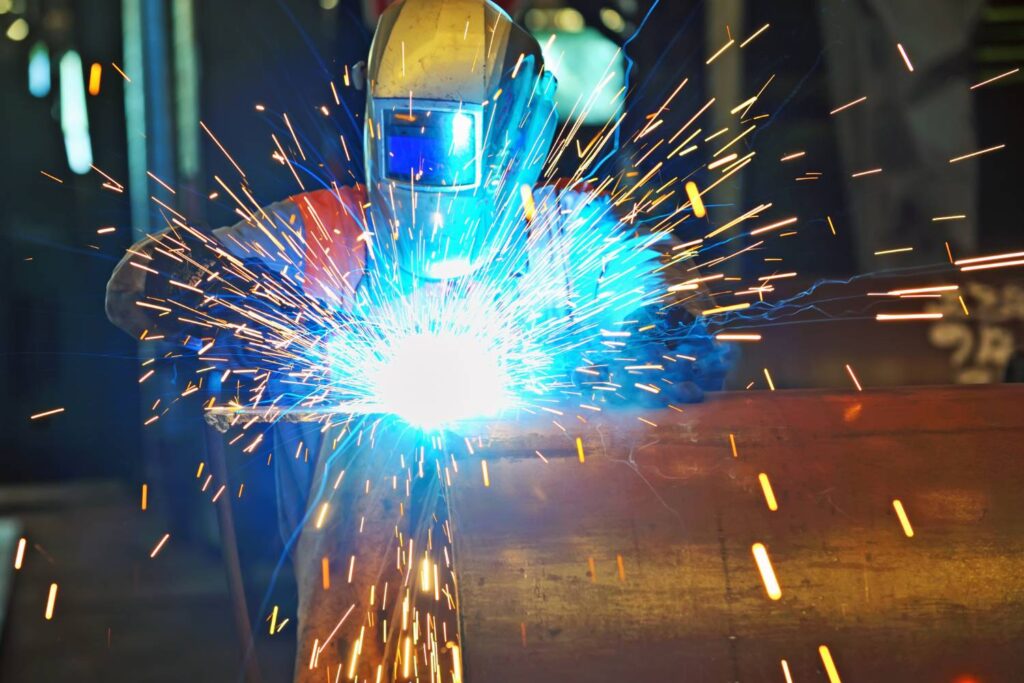
The lack of safety precautions in welding operations can lead to severe and sometimes irreversible consequences. Welding, a critical process in various industrial and construction settings, involves the fusion of materials at high temperatures. This process, while indispensable, poses significant health and safety risks if proper precautions are not taken.
- Exposure to Harmful Fumes and Gases: Welding generates a complex mixture of metal fumes and gases that can be hazardous to health. Without adequate ventilation and the use of appropriate respiratory protection, welders are at risk of developing respiratory diseases, metal fume fever, and long-term neurological issues due to exposure to substances like manganese, nickel, and chromium.
- Radiation and Burns: The intense ultraviolet (UV) and infrared (IR) radiation emitted by the welding arc can cause burns to the skin and eyes, leading to conditions such as "welder's flash," a painful inflammation of the cornea, and increasing the risk of skin cancer. Lack of proper personal protective equipment (PPE), such as welding helmets with appropriate filter lenses and protective clothing, leaves workers vulnerable to these injuries.
- Fire and Explosion Hazards: Welding near flammable materials without precautions can lead to fires and explosions. Sparks and hot metal spatter can easily ignite combustible materials, posing a significant risk to the welder and the entire workplace. Ensuring that the area is free of flammable substances and that fire extinguishing equipment is readily available is crucial.
- Electrical Shock: Electrical shock constantly threatens welding operations, particularly in damp or inadequate environments. This can result in severe injuries or fatalities. Proper equipment grounding, insulated tools, and adherence to electrical safety standards are essential to prevent such accidents.
- Ergonomic Hazards: The physical demands of welding, including awkward postures, repetitive motions, and handling heavy equipment, can lead to musculoskeletal injuries. Lack of ergonomic tools and failure to follow safe lifting techniques can exacerbate these risks.
- Preventive Measures: Addressing these hazards requires a comprehensive safety program that includes proper training, appropriate PPE, regular health screenings, and the implementation of engineering controls such as ventilation systems. Creating a culture of safety where workers are encouraged to report unsafe conditions and participate in safety training can significantly reduce the risks associated with welding.
Poor Weld Preparation
Poor weld preparation is a critical issue that can lead to welding defects, compromising the weld's strength, integrity, and appearance. This aspect of welding is often overlooked, yet it plays a fundamental role in the success of the welding process. Inadequate preparation can result in contamination, poor fit-up, and improper weld configuration, leading to defects such as porosity, lack of fusion, and excessive spatter.
Common Issues Arising From Poor Weld Preparation:
- Contamination: Residual oil, dirt, rust, or paint on the base materials can cause contamination, leading to weak welds. Contamination can also increase the risk of porosity, where trapped gases form bubbles within the weld metal.
- Improper Edge Preparation: The edges of the Material to be welded must be adequately prepared to ensure a robust and effective joint. Insufficient beveling or an uneven edge can result in a lack of fusion or penetration, weakening the weld.
- Inadequate Fit-up: Poor alignment and fit-up of the welding parts can lead to gaps or uneven joint thickness, making achieving a uniform weld bead difficult. This can result in weak points along the weld and an aesthetically unpleasing finish.
- Incorrect Material Handling: Handling materials improperly before the weld can introduce contaminants or damage the Material's surface, affecting the weld quality. It's crucial to handle all materials with care and ensure they are stored in a clean, dry environment.
Strategies For Improving Weld Preparation:
- Thorough Cleaning: Before welding, clean the base materials thoroughly using appropriate methods such as grinding, brushing, or chemical cleaning to remove any contaminants.
- Accurate Edge Preparation: Use suitable tools and techniques to prepare the edges according to the welding specifications. This includes proper beveling and ensuring the edges are smooth and uniform.
- Precise Fit-up: Employ clamps, jigs, or other fixtures to align and secure the parts in the correct position before welding. This ensures a tight fit and helps achieve a consistent weld bead.
- Material Handling Protocols: Implement protocols for handling and storing materials to prevent contamination and damage. This includes wearing gloves to avoid oil transfer from hands and keeping materials off the floor.
- Pre-Weld Inspection: Conduct a thorough inspection of the materials and preparation before starting the weld. This step can identify potential issues that can be addressed before they affect the weld quality.
Incorrect Welding Techniques
Incorrect welding techniques are:
- A primary source of welding defects.
- It is leading to compromised structural integrity.
- Reduced durability.
- Potential failure of welded assemblies.
Understanding these incorrect practices and their implications is crucial for improving weld quality and ensuring the reliability of welded structures.
Joint Welding Defects Resulting From Incorrect Techniques:
- Porosity occurs when gas becomes trapped in the weld metal, forming cavities or pores. Incorrect welding techniques, such as improper gas shielding or contaminated filler material, can exacerbate this issue.
- Lack of Fusion: Failing to melt and fuse the base metal and filler material adequately can lead to weak joints. This defect often results from incorrect angle or speed of welding, insufficient heat input, or improper preparation of the weld joint.
- Cracks: Cracks can form in the weld metal or heat-affected zone for various reasons, including rapid cooling (quench cracking), high-stress concentrations, or the use of incompatible materials. Incorrect selection of welding parameters or techniques can significantly contribute to this problem.
- Undercutting: This defect occurs when the weld metal erodes at the base metal along the edges of the weld, weakening the weld's Edge. It is often caused by excessive heat input, incorrect electrode angle, or high welding speed.
- Spatter: Excessive spatter consists of droplets of weld metal expelled from the welding area, which do not contribute to the weld joint. It is typically caused by using a welding current that is too high, incorrect polarity, or improper gas shielding.
Strategies To Avoid Incorrect Welding Techniques:
- Proper Training: Comprehensive training for welders is essential to ensure they understand the correct techniques and can adjust their methods based on the Material and type of weld.
- Appropriate Welding Parameters: Selecting the suitable welding current, voltage, and travel speed is crucial for minimizing defects. Parameters should be adjusted based on the material thickness, welding position, and type of joint.
- Correct Material Preparation: Ensuring that materials are clean, properly aligned, and adequately prepared before welding can prevent many defects related to incorrect techniques.
- Use of Suitable Equipment: Employing the appropriate welding equipment and consumables for the job can help achieve optimal results. This includes selecting the correct electrode type, filler material, and shielding gas.
- Regular Inspection and Testing: A rigorous inspection and testing regime can help identify and correct incorrect welding techniques before they result in significant defects. Visual inspection, ultrasonic, and radiographic testing are valuable tools.
Neglecting Post-Welding Procedures
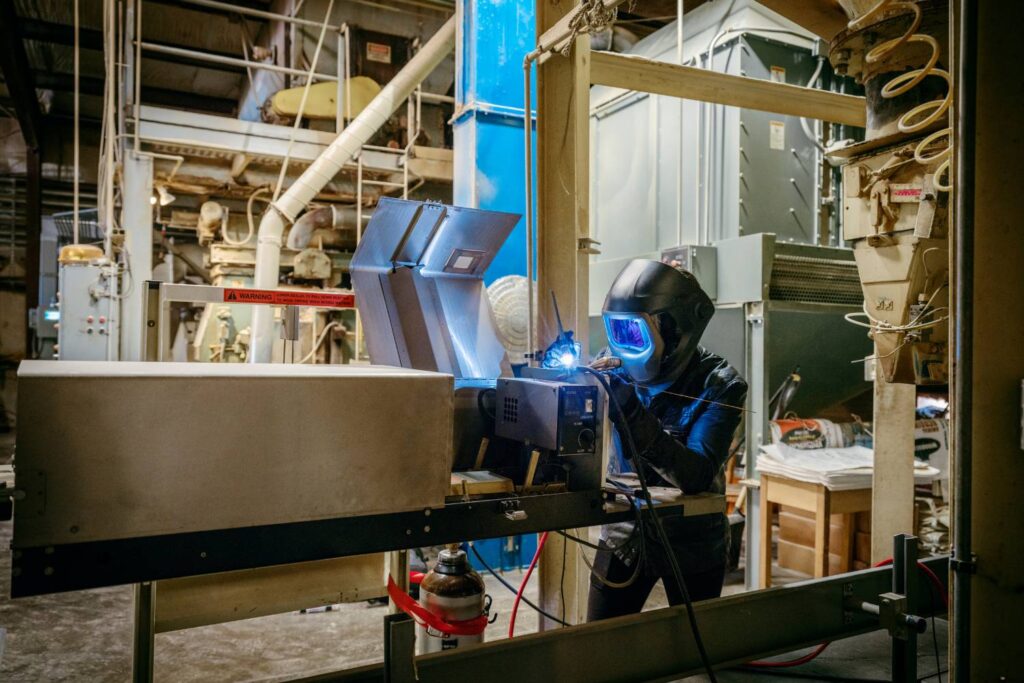
Neglecting post-welding procedures can significantly compromise welded components' structural integrity, performance, and longevity. Post-welding processes, including cleaning, inspection, and heat treatment, are critical for addressing the stresses and imperfections that can arise during welding. These steps ensure that the final product meets the required specifications and standards.
Consequences Of Neglecting Post-Welding Procedures:
- Residual Stress and Distortion: Welding introduces heat into a localized area, creating thermal gradients that result in residual stresses and can lead to distortion of the welded component. Neglecting post-weld heat treatment (PWHT) procedures designed to relieve these stresses can lead to structural weaknesses and premature failure.
- Corrosion Susceptibility: The weld area can become corrosion-resistant without proper post-weld cleaning, especially for materials like stainless steel. The presence of contaminants, such as slag, oxides, and other residues, can lead to pitting, crevice corrosion, and other forms of degradation.
- Reduced Fatigue Strength: The fatigue strength of a welded structure can be significantly reduced if post-welding imperfections are not addressed. Surface irregularities, notches, and micro-cracks can act as stress concentrators, drastically reducing the component's life under cyclic loading conditions.
- Poor Aesthetic Quality: Beyond structural implications, neglecting post-weld cleaning and finishing can result in poor aesthetic quality. This can be particularly problematic for architectural or consumer products where appearance is critical.
- Inspection and Quality Control Failures: Skipping post-weld inspections, such as visual inspection, non-destructive testing (NDT), or destructive testing, can lead to undetected defects incorporated into the final structure. This oversight can result in costly repairs, rework, or even catastrophic failures in service.
Strategies To Address Post-Welding Procedures:
- Implementing Post-Weld Heat Treatment (PWHT): PWHT processes, such as annealing, normalizing, or stress relieving, should be applied as required based on the Material and the service conditions of the component to reduce residual stresses and improve mechanical properties.
- Thorough Cleaning and Surface Preparation: Post-weld cleaning to remove slag, spatter, and oxides is crucial, especially for corrosion-resistant alloys. Techniques may include grinding, brushing, pickling, and passivation to ensure a clean and active surface.
- Regular Inspection and Testing: Incorporating a comprehensive inspection plan, including visual inspection and advanced NDT methods (e.g., ultrasonic, radiographic, magnetic particle inspection), ensures that welds meet quality standards and specifications.
- Documentation and Procedure Compliance: Maintaining detailed records of post-welding procedures and ensuring compliance with relevant standards and specifications are essential for quality control and certification.
Conclusion
Welding is a complex and skilled craft that requires attention to detail and proper technique. Common pitfalls and mistakes to avoid when welding can save time and money and ensure the safety of oneself and others.
Lack of safety precautions in welding operations can lead to severe and sometimes irreversible consequences. Exposure to harmful fumes and gases, radiation and burns, fire and explosion hazards, electrical shock, and ergonomic hazards can all have serious consequences.
Preventive measures include proper training, appropriate PPE, regular health screenings, and the implementation of engineering controls such as ventilation systems. A culture of safety where workers are encouraged to report unsafe conditions and participate in safety training can significantly reduce the risks associated with welding.
Poor weld preparation is a critical issue that can lead to contamination, poor fit-up, and improper weld configuration. Common issues arising from poor weld preparation include contamination, improper edge preparation, inadequate fit-up, and incorrect material handling.
Strategies for improving weld preparation include thorough cleaning, accurate edge preparation, precise fit-up, material handling protocols, and pre-weld inspection. Following these guidelines can elevate our welding skills and produce more robust, more reliable welds.
Incorrect welding techniques can lead to porosity, lack of fusion, cracks, undercutting, and spatter defects. These defects can result from improper gas shielding, contaminated filler material, incorrect welding angles, insufficient heat input, or improper joint preparation. Proper training for welders, appropriate welding parameters, clean materials, suitable equipment, and regular inspection and testing are essential to avoid these defects.
Neglecting post-welding procedures can compromise welded components' structural integrity, performance, and longevity. These processes, including cleaning, inspection, and heat treatment, are critical for addressing stresses and imperfections that can arise during welding. Neglecting these procedures can result in residual stress and distortion, corrosion susceptibility, reduced fatigue strength, poor aesthetic quality, and inspection and quality control failures.
To address post-weld procedures, implement post-weld heat treatment (PWHT), thorough cleaning and surface preparation, regular inspection and testing, and documentation and procedure compliance. PWHT processes, such as annealing, normalizing, or stress relieving, can reduce residual stresses and improve mechanical properties.
Thorough cleaning and surface preparation are essential for corrosion-resistant alloys. Regular inspection and testing, including visual and advanced non-destructive testing methods, ensure welds meet quality standards and specifications. Maintaining detailed records of post-welding procedures is crucial for quality control and certification purposes.
Content Summary
- Welding demands precision and skill, necessitating attention to detail and correct technique.
- Knowledge of what not to do when welding is vital for efficiency, cost-effectiveness, and safety.
- This blog highlights common mistakes in welding projects and offers insights into avoiding them.
- Lack of safety precautions can lead to severe consequences in welding operations.
- Exposure to harmful fumes and gases poses significant health risks without proper ventilation and respiratory protection.
- Intense radiation from welding arcs can cause skin burns and eye injuries without adequate PPE.
- Fire and explosion hazards are a concern when welding near flammable materials.
- Electrical shock is a constant threat, especially in damp environments or with inadequate insulation.
- The physical demands of welding can lead to musculoskeletal injuries without ergonomic precautions.
- Comprehensive safety programs, including training and PPE use, are essential to mitigate welding hazards.
- Poor weld preparation can result in defects, compromising weld strength and integrity.
- Contamination from residual oil, dirt, or rust can weaken welds and increase the risk of porosity.
- Improper edge preparation can lead to a lack of fusion or penetration, undermining joint strength.
- Inadequate fit-up can result in gaps or uneven joint thickness, compromising weld uniformity.
- Incorrect material handling can introduce contaminants, affecting weld quality.
- Thorough cleaning before welding is essential to remove contaminants from base materials.
- Accurate edge preparation ensures solid and practical joints according to welding specifications.
- Precise fit-up using clamps or fixtures helps achieve consistent weld beads.
- Material handling protocols prevent contamination and damage to materials.
- Pre-weld inspection identifies potential issues before welding begins.
- Incorrect welding techniques can lead to various defects, compromising structural integrity.
- Common welding defects include porosity, lack of fusion, cracks, undercutting, and spatter.
- Proper training for welders is crucial to understand and implement correct techniques.
- Selecting appropriate welding parameters based on Material and joint type minimizes defects.
- Material cleanliness, alignment, and preparation are essential to prevent welding defects.
- Using suitable equipment and consumables helps achieve optimal welding results.
- Regular inspection and testing are essential to identify and correct welding defects.
- Neglecting post-welding procedures can compromise the integrity and longevity of welded components.
- Residual stress and distortion can result from skipping post-weld heat treatment procedures.
- Corrosion susceptibility increases without proper post-weld cleaning, especially for stainless steel.
- Fatigue strength decreases if post-welding imperfections are not addressed.
- Poor aesthetic quality can result from neglecting post-weld cleaning and finishing.
- Inspection and quality control failures can lead to undetected defects in the final structure.
- Implementing post-weld heat treatment reduces residual stresses and improves mechanical properties.
- Thorough cleaning and surface preparation are crucial for removing weld imperfections.
- Regular inspection using visual and advanced NDT methods ensures weld quality.
- Documentation and procedure compliance are vital for quality control and certification.
- Proper ventilation and respiratory protection are crucial in welding to avoid health risks.
- Adequate PPE, including welding helmets and protective clothing, mitigates injury risks.
- Preventing fires and explosions requires welding away from flammable materials and having firefighting equipment on hand.
- Ensuring proper grounding and insulation minimizes the risk of electrical shock in welding.
- Ergonomic tools and safe lifting techniques reduce the risk of musculoskeletal injuries.
- Clean materials and proper handling prevent contamination and preserve weld quality.
- Precise edge preparation is necessary for robust and effective weld joints.
- Secure fit-up using clamps or fixtures ensures uniform weld beads and joint strength.
- Regular inspection before welding identifies potential issues and ensures quality.
- Correct welding techniques, learned through comprehensive training, produce reliable welds.
- Adjusting welding parameters based on Material and joint type minimizes defects.
- Material cleanliness and preparation are crucial for achieving quality welds.
- Post-weld inspection and testing are essential for identifying and rectifying defects.
Frequently Asked Questions
Common mistakes include:
- Neglecting safety precautions.
- Poor weld preparation.
- Using incorrect welding techniques.
- Overlooking post-welding procedures.
Safety is paramount in welding due to the risks of exposure to harmful fumes, radiation, electrical shock, fire hazards, and ergonomic strains. Neglecting safety measures can lead to severe injuries or even fatalities.
Safety precautions include:
- Wearing appropriate personal protective equipment (PPE).
- Ensuring proper ventilation.
- Avoid welding near flammable materials.
- Maintaining electrical safety.
- Using ergonomic tools to prevent injuries.
Poor weld preparation can lead to various defects such as contamination, lack of fusion, improper fit-up, and inadequate material handling, ultimately compromising the weld's strength, integrity, and appearance.
Strategies include thoroughly cleaning base materials, accurate edge preparation, precise fit-up using clamps or fixtures, implementing material handling protocols, and conducting pre-weld inspections to identify potential issues.