Table of Contents
Are metal shavings dangerous?
Fire Hazards
Metal shavings that are produced when oil containers or cans are opened are commonly soaked in oil. These are a fire hazard when strewn about or disposed of carelessly. Contact with sparks and/or electrical outlets can ignite them, initiating large fires. Titanium metal shavings, in particular, are a significant fire hazard. They easily ignite in air, causing an explosion—the scale of which depends on the size and number of titanium shavings. Additionally, the burning of metal shavings left by can openers gives off toxic gases that are associated with a host of health problems.
Health Hazards
Metal shavings pose a significant health hazard when they are introduced in food during its preparation, which is more likely when a can opener is not adequately cleaned before use. Metal shavings can contaminate edibles with biological, physical and chemical contaminants. Common biological contaminants include disease-causing pathogenic microorganisms, including fungi, viruses, yeasts, mould and bacteria. Physical contaminants include metal, which is easily ingested and leads to a host of physical ailments. Chemical contaminants that are transferred from metal shavings to food include substances such as toxic chemicals, pesticides, and cleaning agents that have come in contact with can openers.
Physical Hazards
Metal shavings may create physical hazards. Physical hazards occur when foreign contaminants, such as metal shavings, get into food and render it unfit for consumption. They also occur when tiny metal shavings become airborne and create eye hazards. Additionally, airborne, needle-sharp metal shavings can easily pierce through clothes and other surfaces. These can lodge in the skin, hair, scalp and even upholstery and become a hazard for homeowners, their pets and other occupants. Toxic and irritating shavings can further complicate matters as they can cut or scratch the skin and infect it.
Check out Australian General Engineering
What is a metal chip?
Every machinist is familiar with the creation of metal chips -- the shavings, filings, turnings and dust created by machining processes. This material can be stored for recycling, but cutting fluids and tramp oils on the chips often pose an environmental problem. When this is the case, oils are removed from chips using a centrifuge that separates fluids from the metal.
Chips present a safety problem to those around them and those who handle them. Chips can be very sharp and cause serious sudden or, such as in the case of persistent airborne particles, chronic injury. Virtually all machine shops discourage the handling of swarf with bare hands, although these rules are often ignored because they are considered impractical. The manual handling of chips, necessary, should be done with thick gloves that go above the wrist. Some operations have automated chip handling systems that remove and process chips for recycling. These systems require a high initial investment but help minimise some of the safety issues involved with handling chips.
There are many different types of machine shavings. The type of metal being machined typically determines the type of chips it forms. Hard, brittle metals don't have high strength, so chips come off as small discontinuous bits. Softer materials or of higher strength may peel off in ribbons. Chip formation can also be important as a diagnostic tool and is used by manufacturers to study the effectiveness of machining processes.
Machining operations store their chips for eventual processing by a metal scrap recycler. Most recyclers require the machine shop to drain fluids from the chips, and segregate them by metal (aluminium from steel, for example) but not by alloy grade.
Smoking Chips
Metals oxidise in the presence of water and air. Oxidation, (in metallic context also called corrosion) is an exothermic process. For machine chips stored in a pile or bin awaiting recycling, heat from oxidation can actually fuse the chips together. The heat from oxidation can accelerate this process and cause the chips to smoke. For some metals, such as magnesium, the generation of heat presents an extremely dangerous fire hazard.
Almost all metals oxidise, some more easily than others. Iron and steel oxidation shows up as rust, which is sometimes desirable as a protective coating on a steel surface, but not on a pile of chips. Also, the chips generated from cast metal have more porosity and offer more rapid oxidation because of the greater percentage of surface area exposed to oxygen. Finally, when chips of different metals are mixed together, galvanic corrosion may occur and compound the problem.
Preventing Smoke
The use of proper metalworking fluids can help prevent smoking chips. Soluble cutting oils (semi-synthetic, for example), leave a protective coating on chips. The addition of rust inhibitors in many cutting oils helps form a fine coating on the chips that will minimise oxidation.
Draining excess cutting oil from chips and drying them helps remove water, one of the primary ingredients for corrosion.
Large piles of chips left and forgotten for long periods are the most hazardous. Larger piles generate more heat than smaller ones, which may accelerate the oxidation process until it gets out of hand. The higher the oxidation rate of a pile of chips, the more heat that is generated and the greater the risk. Hot metal oxidises faster than cool metal, so avoid storing chips in direct sunlight. Finally, be careful about storing chips near other flammable objects such as paper, wood or flammable chemicals.
For expert advice on preventing smoking chips and other issues related to machining, contact Acculube. Our technicians can help you minimise the risks of smoking chips and other hazards, and resolve issues related to coolant selection, tool performance, and environmental management as well.
Can breathing metal dust hurt you?
Breathing metal dust for any duration of time can have a negative effect on the lungs. Still, it can be particularly dangerous if you do so over an extended period of time. The lungs have a natural defence system to protect against foreign particles settling within, but with constant exposure, this system can fail. As a result, dust particles are able to settle in the lung tissues — often in the air sacs or airways — and cause damage therein.
A few of the lung conditions that commonly occur as a result of continuous metal dust inhalation include:
Siderosis — Also known as welder's lung or silver polisher's lung, this lung disease is caused by breathing in iron particles in the form of dust or fumes.
Silicosis — This occupational lung disease occurs when a person inhales silica, a mineral present in ores and rock such as quartz, over an extended period of time. Miners, construction workers and other employees who are regularly exposed to silica have a higher chance of developing this condition if preventative measures are not taken.
Black lung — Also referred to as coal worker's pneumoconiosis, this occupational lung disease most commonly affects miners and other workers who inhale coal dust on a regular basis.
All of these conditions fall under the pneumoconiosis umbrella, which is a broad term for interstitial lung diseases that occur as a result of mineral dust inhalation. While these conditions are not curable, there are many treatment options available for those affected. Some of the most common traditional treatments include medications, oxygen therapy and lifestyle changes such as quitting smoking.
At the Lung Health Institute, we offer an innovative and natural treatment option for pneumoconiosis: cellular therapy. Using a patient's own cells, we are able to potentially help reduce inflammation in the lungs, slow the progression of the disease and improve the patient's overall quality of life.
Remember: Inhalable gets into your mouth, throat and nose, and you can generally see it. Respirable dust gets deeper into your lungs and generally is too small to be seen. Both are potentially harmful, but respirable dust is generally more dangerous. Inhalable dust that collects in the nasal cavity and mouth can be swallowed as well as breathed in, and respirable specks of dust are taken deep into the lungs. Both types of dust end up being absorbed into the bodies of soft tissue and cells. This leads to damage to your health.
Check out Austgens CNC MACHINING
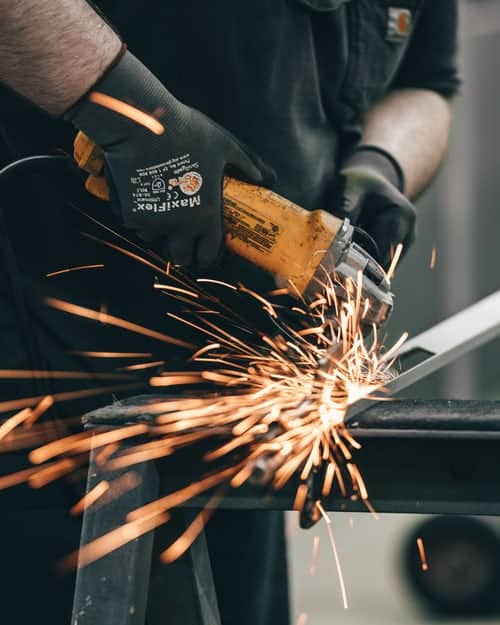
What are the examples of metal that can bring danger to your health?
Steel
Steel is an alloy of several elements, but the main components are Iron and Carbon. Steel is a very widely used material and comes in different grades, and these are commonly divided into two groups – Non-Alloy Steels (Basic and Quality Steels) and Alloy Steels (Tool Steel, Stainless Steel and Engineering steels)
Steel's main danger lies in the other elements used in making the steel in the first place. As with most specks of dust, you are breathing in steel dust can cause irritation and damage to the soft tissues in your nose, throat and mouth. This can lead to inflammation, pain, difficulties swallowing and skin irritation.
In steel, we also commonly find Tungsten, Chromium, Molybdenum and Vanadium.
Tungsten is usually found in small quantities and is most commonly used in Tool production. In recent years Tungsten particulates and dust have been highlighted as irritating to the eyes, nose, throat and has been known to cause permanent respiratory diseases such as occupational asthma and interstitial fibrosis. Symptoms of these include coughing, wheezing, shortness of breath, weight loss and difficulty breathing. Long term exposure can cause damage to the lungs and mucus membranes, and it has also be linked to certain types of cancer.
Chromium is a known cause of cancer (a carcinogen) – primarily lung cancer.
Molybdenum dust can cause irritation to the eyes and skin, coughing and wheezing. Other effects include headaches, fatigue, loss of appetite, muscle and joint pain. Repeated exposure has been linked to Gout, Low blood count (anaemia) and liver and kidney damage.
Vanadium has been classified as toxic and breathing in vanadium dust has been linked to several adverse effects on the respiratory systems (lungs) such as inflammation, asthma, difficulty breathing, shortness of breath and irritation.
Stainless steel can also include Nickel – this is known to cause allergic contact dermatitis and also referred to as Nickel Allergy.
All airborne dust can be harmful, but the next three are far more dangerous than just the harm they can do if we breathe them in.
Titanium
Titanium is actually classified as non-toxic (even in larger doses). It is estimated that we ingest around 0.8 milligrams of Titanium each day. It is often used in aerospace manufacture and tools.
As a powder or in the form of shavings, however – Titanium is a different beast. Titanium powder and shavings are classified as a significant fire risk. When Titanium is heated in air, it oxidises and explodes – often violently. Once Titanium has combusted water, and carbon dioxide fire extinguishers are ineffective.
This is why Titanium must be extracted, and it must be extracted via a wet collection system – to prevent combustion in the first place. While Titanium is not as toxic as some dust we breathe in – Titanium dust explosions cause severe property damage and, most importantly, loss of life.
Magnesium
Much like Titanium, Magnesium is non-toxic (in recommended doses), but in the form of metal shavings or powders, it is highly flammable. Once it combusts magnesium can burn very hot and can be very difficult to extinguish - ever used a flare or sparkler that won't go out unless you bury it in the sand.
Magnesium in contact with water produces hydrogen gas which itself is highly combustible and explosive. Putting water on a magnesium fire will make the situation a lot worse.
But this also means we need to be careful when looking at extraction for magnesium, as magnesium must be extracted via a wet collector. To combat this, extractors must have systems built in to stop the hydrogen building up. Collectors must be grounded and have additional safety features such as interlocks between the fan motor and water control.
You should never mix magnesium dust with other metal dust and must use dedicated extraction.
Aluminium
Aluminium makes up the trifactor of combustible, non-toxic dust that needs extraction to control additional risks rather than a person's exposure. Aluminium is one of the most widely used metals in industry. Generally, Aluminium is only considered a fire risk if in fine powder and dust form with approximately 20% of the dust below 44 microns.
Aluminium that falls into this category is very dangerous and highly explosive. As with magnesium, when Aluminium comes into contact with water, it produces hydrogen gas – itself highly combustible and explosive.
The finer the aluminium, the greater the risk of fire and explosion. Extraction for Aluminium should be a wet collector or wet extraction system such as a wet downdraft bench, with considerations for the hydrogen gas or – if above the danger level – via dry dust extraction with explosive relief (just in case).
The main cause of Aluminium dust igniting is from an external ignition source such as a spark from grinding or cutting, a discharge from static electricity or naked flames.
It is easy to panic about the dangers of Aluminium, but it is simply a case of understanding your process and having the dust tested. There have been several reports in recent years that sate over 90% of Aluminium-based applications that involve potential ignition sources as part of the process have particulate sizes over 75 microns – making them very hard to ignite.
Check out Unique Gifts For The Welder In Your Life
Gold
50% of the world's gold is used in jewellery manufacture. Pure gold is non-toxic and non-irritating when ingested (food and drink), but Soluble Gold is often used in industry for applications such as electroplating. These compounds such as gold chloride and potassium gold cyanide are considered highly toxic, and gold has been cited as a known allergen.
Silver
Silver is also commonly used in jewellery manufacture, and exposure to it can cause breathing irritations and allergies. In extreme cases of exposure to silver dust, a condition called Argyrosis can develop. Argyria can cause the whites of the eyes to turn purple and the skin, in patches or widespread over the body, to turn a purplish-grey colour.
In high levels, silver that affects the body in this way can cause serious damage to your health.
Copper
Copper can cause Metal Fume Fever – chills, nausea, headaches, pneumonia, chest pain, muscles aches, fatigue, joint pains, shortness of breath. Severe cases can cause burning sensations in the body, shock, no urine production, collapse, convulsions, jaundice, vomiting and bloody diarrhoea.
Iron Oxides
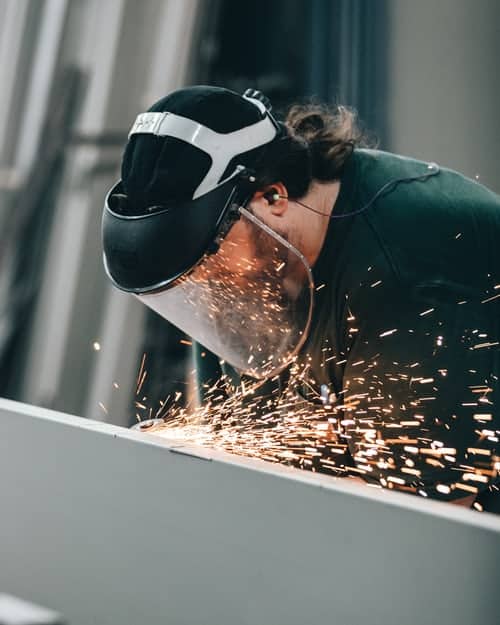
Iron oxides are a known cause of Siderosis. Siderosis is used to refer to an environmental disease of the lung and is a form of pneumoconiosis. The primary cause of this is repeated inhalation of Iron dust over many years. In tissue biopsies, the iron can physically be seen deposited in the tissue.
There is no cure for Siderosis, and the damage is permeant.
What should be a reminder for those who have high levels of exposure.?
Many people will often say "but I don't use a lot" and thus think "high levels" of exposure don't apply to them, Often, they can be right, but high levels of exposure can also be stated as long term or repeated exposure.
A small amount of a contaminate in one dose may not be harmful at all. Now repeat that exposure hour after hour, day after day, month after month, year after year. Now the contaminate builds up in your body, and this is when high levels are often found. As the exposure is slow and drawn out, often by the time the health issues arise years down the line, the damage is done, and it is too late.
Many dusts that reach our lungs, regardless of toxicity, over time can cause Interstitial Lung disease. This is a group of lung diseases that cause damage to the tissue and spaces around the air sacs of the lungs.
Interstitial Lung diseases are not curable. The damage is permanent.
Don't worry about 10yrs time, worry about now and protect yourself, your employees and colleagues today and get proper extraction.
Accumulating too much of certain metals in the body can lead to dangerous symptoms.
Heavy metal poisoning is caused by the accumulation of certain metals in the body due to exposure through food, water, industrial chemicals, or other sources.
While our bodies need small amounts of some heavy metals — such as zinc, copper, chromium, iron, and manganese — toxic amounts are harmful.
If your body's soft tissues accumulate too much heavy metals, the resulting poisoning can cause severe damage Check out Computerized Design in Sheet Metal Fabrication Melbourne
Lead, mercury, arsenic, and cadmium are the metals most commonly associated with heavy metal poisoning in the United States.
Men and women are equally susceptible to heavy metal poisoning if they're exposed in the same ways.
While children in the United States are still more prone to getting lead poisoning than adults, the number of children with harmful levels of lead in the blood has dropped 85 per cent over the past 20 years, according to the National Organization for Rare Disorders.
Mercury poisoning is very rare in children.
What are the causes of heavy metal poisoning?
Heavy metal poisoning can be caused by:
- Industrial exposure
- Air or water pollution
- Foods
- Medicines
- Improperly coated food containers, plates, and cookware
- Ingestion of lead-based paints
What are the symptoms of heavy metal poisoning?
Symptoms of heavy metal poisoning depend on the type of metal causing toxicity.
If you have acute heavy metal poisoning — meaning you were exposed to a large amount of metal at once (for example, by swallowing a toy) — your symptoms may include:
- Confusion
- Numbness
- Nausea
- Vomiting
- Falling into a coma
Long-term or chronic exposure to heavy metals may cause the following symptoms:
- Headache
- Weakness
- Tiredness
- Muscle pain
- Joint pain
- Constipation
What are the treatments for metal poisoning?
Your doctor may recommend a urine or blood test to find out if you have heavy metal poisoning.
If the test shows that you do have heavy metal poisoning, the first step of treatment is to eliminate the exposure.
Other forms of treatment may include:
- Chelating agents such as Chemet (succimer), which bind to the metal and are then excreted in your urine
- Suctioning of the stomach to remove some ingested metals
- A diuretic called mannitol (Aridol, Osmitrol), corticosteroid drugs, or intracranial monitoring for swelling of the brain
- Hemodialysis and/or other special treatments if kidney failure occurs
How to prevent heavy metal poisoning?
The following tips may help you prevent heavy metal poisoning:
- Wear masks and protective clothing if you work around heavy metals
- Since many metals accumulate in dust and dirt, keep these out of your home as much as possible
- Pay attention to local fish advisories regarding mercury levels
- Be aware of potential sources of lead exposure
- Check for any heavy metals listed on the labels of products you bring into your home